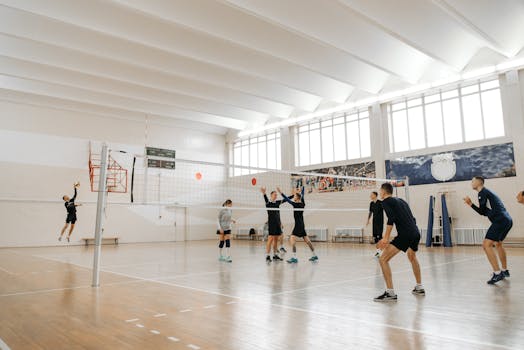
Few experiences draw players in like the tension and satisfaction brought by well-crafted tactical positioning mechanics in games. Quick thinking gets you close, but mastery emerges from calculated moves and careful planning.
This topic matters because games built around tactical positioning reward a sharp mind and situational awareness, raising stakes on every move. Understanding these systems can completely change your enjoyment and performance.
Explore techniques, mindsets, and specific game examples that show how tactical positioning enhances both challenge and fun. Let’s dive into strategies that keep players coming back.
Early planning turns every move into an advantage you can control
Focusing on tactical positioning from the opening moments of a match sets the stage for big outcomes. Paying attention to spatial details aligns your actions for reliable progress.
Your initial choices determine attack angles, lines of sight, and escape routes. Players who claim high ground or strong cover first, for example, often trigger a cascade of smart plays.
Reading environments to predict enemy intent
Walk into any corridor and feel how the game’s architecture guides movement. A low wall, for instance, lets you crouch and peek, reducing your silhouette while scouting threats.
“I’ll watch this corner while you flank the side,” a teammate whispers. Their words frame a mindset—tactical positioning isn’t just solo intuition but conscious, collaborative planning.
Analyzing props, lighting, and choke points lets you act before opponents. Executing those reads creates game-changing reversals that shape each round.
Setting up multi-step traps for long-term payoff
Expert players stack intentions. “I’ll retreat one square, pull them in, and trigger my area trap.” This script, spoken aloud, signals a plan with clear timing.
Instead of chasing a quick score, consider leaving obvious escape routes for your rival. Sometimes, the most direct path is bait for an ambush they’ll regret.
When tactical positioning allows for layered plays, you gain momentum and sap your opponent’s confidence, shifting the match’s tone.
| Game Title | Positioning Focus | Key Mechanic | Takeaway |
|---|---|---|---|
| Into the Breach | Grid-based lanes | Pushing/pulling enemies | Use map edges to block attacks before they happen |
| Punishing Gray Raven | Skill timing | Dodge placement | Observe attack patterns to choose safe spots and counter |
| XCOM 2 | Cover system | Overwatch firing | Select sightlines with overlapping coverage zones for traps |
| Invisible Inc. | Procedural stealth | Vision cones | Time movements around patrols, using objects for masking |
| Advance Wars 1+2 | Terrain bonuses | Unit spacing | Stack terrain bonuses along anticipated enemy paths |
Rotating squads enables responsive tactical positioning in any setting
Building flexibility into your group choices lets you adapt on the fly. Instead of rigid tactics, mixing units means every round can unfold in new, surprising ways.
Picking roles for movement, defense, and control tasks means anyone can deploy aggressive or defensive positioning depending on what’s needed now.
Rallying mobile units for rapid threat response
If you need to cover a gap quickly, mobile-behaving characters shine bright. The phrase “swap me in, I can intercept” brings energy and intention to team play.
Instead of waiting passively, rotate frontline units to respond to emerging risks. This dynamic tactical positioning keeps your options open all game long.
- Assign scouts to map while others anchor key spots; this splits your opponent’s attention and covers more ground.
- Switch between defensive and offensive classes as maps shift zones, letting you exploit opportunities or fall back fast.
- Pass equipment or buffs between team members to adapt positioning power as situations change.
- Pair tanky heroes with snipers so each gains the other’s strengths; the sniper finds angles, the tank draws attention away.
- Let someone with mobility tools, like grappling hooks, zip to high-risk spots to either harass or retreat instantly when needed.
A rotational squad structure prevents stale patterns and rewards those who anticipate positional changes with small but cumulative victories.
Anchoring your team with long-range support
Support roles anchor squads by projecting power across open terrain. “I’ll watch the mid-lane while you push left,” clarifies intent and helps establish overlapping zones of control.
When tactical positioning relies on ranged characters, teamwork magnifies their value—covering gaps multiplies the risk for encroaching rivals.
- Set up an overlapping field of fire to guarantee at least two team members have sight on any chokepoint—force enemies to pick their poison.
- Prioritize cover for support heroes, not just tanks; this safeguards their game-changing abilities when their moment comes.
- Leave gadgets or traps in fallback locations; they’ll deter flanks and buy time if your line breaks under pressure.
- Designate a player to call out shifts in enemy movement, letting others rotate before a crisis erupts.
- Mark supportive spell zones ahead of time—like healing circles or buffs—so allies move intentionally into ideal tactical positioning.
Integrate ranged support into every plan and your tactical toolkit gains depth, flexibility, and new win conditions.
Terrain and line-of-sight transform risks into reliable opportunities
Leverage the environment for strategic advantage by following a sequence: spot, assess, and act. Tactical positioning thrives on recognizing how walls and sight lines dictate the flow of combat.
Executing clean escapes, ambushes, or pinches hinges on your ability to see and react before rivals do, turning hazards into launching pads for bold moves.
Snapping to cover at pivotal moments
When a firefight erupts, slide to cover timed with incoming shots for a rhythm that keeps you safe and dangerous. “Get behind the loader!” triggers a well-timed maneuver.
Tactical positioning isn’t static—dip in and out of angles while eyes and aiming hands track enemy signals. Secure moments of invulnerability without losing offensive pressure.
Contrast boxing-out an opponent’s fleet in a strategy game with casino-style betting—know your outs, play probabilities, then take action when math and intuition align.
Corraling rival units into unfavorable positions
Fake a charge to one flank, forcing your opponent to overcommit. Tactical positioning shines when you shift suddenly, catching rivals between cover and exposed paths.
The script, “Push left, bait them out, then retreat to the building,” highlights sequencing. Direct instructions move teams as one, enabling swift reversals or pincer attacks.
Whenever you shape the enemy’s movement, you’re actually dictating future engagements. Practice steering showdowns onto ground you’ve prepared through earlier, invisible effort.
Upgrade choices amplify positioning power throughout long campaigns
Strategic investment in upgrades tied to tactical positioning multiplies your effectiveness. Each upgrade should expand the range, speed, or resilience of situational moves.
Players who notice gaps in their tactical toolkit assess needs and select upgrades that translate directly into positional wins.
Enhancing mobility for game-winning angles
Prioritize skills or equipment that add dashes, teleports, or leaps. Tactical positioning demands tools that break static patterns while enabling surprise attacks or escapes.
“Give me the jump boots—I’ll flank from above.” Direct upgrades influence not just individual moves but team-level tactics and response rhythms.
Look for synergy: a single movement upgrade can enable whole new team formations, creating value that multiplies across every turn.
Investing in AoE control for map dominance
Tactical positioning isn’t just about movement—area-of-effect powers control spaces that force rivals to detour or wait. “Drop a slow field here,” buys precious time and real estate.
Choosing upgrades that shape the environment puts the pressure back on your enemies. Control upgrades become defensive shields and offensive launch pads simultaneously.
With each new control option, explore fresh setups: bottleneck rivals at doorways, block escape with hazards, or wall off objectives until reinforcements arrive.
Executing fast pivots changes tactical positioning in real time
Games with snap repositioning let you exploit small openings. Practicing rapid pivots helps you respond immediately to shifting threats, rather than locking into one plan.
Tactical positioning improves when you let go of perfect plans and react to real data. Treat each opening as a signal to move decisively, reworking your formations as needed.
Responding to unexpected hazards with adaptive routes
“Fall back right—door just opened!” shouts a player whose body language echoes urgency. Tactical positioning comes alive when the team reads each other and shifts like a school of fish.
Practice moving around new hazards by rehearsing alternate escape plans before you need them. This solidifies quick reactions and builds trust in your tactics.
Analogous to traffic detours during your commute, successful re-routing means calmly updating directions and acting quickly.
Pinching rivals for high-value takedowns
Tactical positioning elevates risk and reward during double flanks. “Let’s pinch mid together on three,” sets a clear signal for synchronized aggression.
Both timing and spacing matter—players who flow into position without crowding each other maximize pressure and keep avenues clear for the surprise attack.
Pinch maneuvers reinforce the central lesson: instant adaptation and clear signals multiply the rewards of practiced positioning behavior.
Layering pressure maintains control without sacrificing flexibility
Keep continued control by stacking different levels of pressure across the map. Tactical positioning means applying gentle threats that force opponents to hesitate—or overcommit—in subtle ways.
Instead of one grand maneuver, win through waves of consistent action. Push one lane, reinforce another, then reset, never letting the opponent get comfortable.
Rotating threats to manipulate rival priorities
Send fast units wide, then pull back while a slower force presses center. “Make noise left, then break right,” scripts a sequence that stretches the enemy thin.
Attach value to small spaces—hold a side alley or high ridge, and rivals must divide resources to counter. Tactical positioning turns minor skirmishes into map-wide dilemmas.
Practice shifting lines every few turns so rivals can’t settle into defensive routines, extracting more from every unit’s position.
Securing fallback routes for reliable reinforcement
Dead ends block escape and doom ambitious flanks. Map multiple fallback routes, verbally confirming with teammates—“Exit clear behind, we’ll rotate if pressed.”
Tactical positioning involves checking exits during lulls, not just while under stress. Trust builds with repeated practice, and successful retreats open up future counterattacks.
End each push with a quick regroup, checking all exits are secure before launching the next wave of coordinated action.
Smart tactical positioning pays long-term dividends game after game
Consistent focus on tactical positioning sharpens performance in every match. Planning routes, upgrades, and pivots translates directly to improved outcomes no matter the opponent.
Players who internalize these lessons rarely panic—they know they can spot angles, act quickly, and shape the match’s rhythm through position alone.
The strategic thinkers who practice real-time movement, squad flexibility, and risk management keep growing. Each play session adds layers of subtle intuition and muscle memory.
Tactical positioning remains one of the most engaging, endlessly rewarding skills across strategy, stealth, and action games. Your learning curve may be steep, but every milestone pays off generously.
Stepping into your next match, keep these principles in mind—every movement prepares the ground for a smarter, more satisfying victory, and tactical positioning stands at the core of that achievement.


