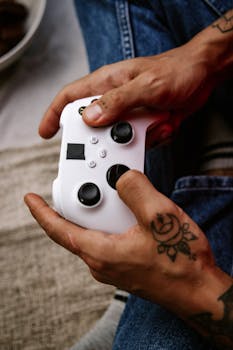
Fitting high-quality gaming into busy days can feel challenging, but anyone can make short play sessions truly meaningful with the right approach.
Learning how to optimize short play sessions means you really get value from limited game time. Consistent, focused habits can yield more progress than sporadic marathon gaming.
This guide takes a detailed, practical look at actionable approaches that work with modern lives. Let’s explore the best strategies for short play sessions and long-term skill improvement.
Establishing Clear Intentions Before Launching a Session
Being deliberate about your objectives for each gaming session saves time and sharply raises your chances of real improvement during short play sessions.
Setting a target, whether it’s mastering a tough challenge or practicing specific skills, brings structure to short play sessions and prevents aimless wandering within games.
Using Session Goals to Drive Tangible Progress
During short play sessions, choose a goal you can actually complete, like “survive three rounds without healing.” This tightens focus and lets you track meaningful improvements each time.
After completing your goal, jot down a win or area for growth. That lightweight habit keeps momentum between sessions, turning each one into a step rather than a restart.
If you’re looking to master a single mechanic, such as precise jumping, spend the session just on that. Having a micro-goal ensures short play sessions don’t feel scattered.
Segmenting Playtime According to Activity Type
Consider dividing short play sessions into learning, warming up, and experimenting. For example, spend the first five minutes reviewing a skill, then a couple minutes trying something new.
This approach breaks short play sessions into repeatable routines. Just like a gym circuit, designated blocks stop you from defaulting to autopilot gaming and help retention.
Tracking each part in a quick log after you finish gives feedback for where to put more focus next time. That step-by-step habit scales well over weeks or months.
| Session Strategy | Primary Benefit | Time Investment | Next Step |
|---|---|---|---|
| Single Skill Focus | Targeted improvement | 10–20 minutes | Rotate skill areas weekly |
| Goal-Driven Challenge | Motivation boost | 15 minutes | Log setbacks for context |
| Warm-up Routine | Consistency | 5–7 minutes | Adapt as you advance |
| Skill Review | Error correction | 10 minutes | Record common missteps |
| Mini-Experiment | Creativity | 8–12 minutes | Note which ideas felt smooth |
Choosing Games and Modes That Respect Your Limited Time
If you select experiences with bite-sized rounds or built-in quick play settings, every short play session can fit skill work without rush or stress.
This approach ensures that even half-hour breaks become practical opportunities for progress. It transforms idle minutes into productive, satisfying sessions.
Identifying Games That Simplify Skill Focus
Look for games with short match times or clear, sequential checkpoints. This design prevents you from abandoning progress just as you’re getting started.
Classic examples are puzzle games, roguelikes with persistent unlocks, or shooters featuring tight rounds. These are well-suited for short play sessions on a regular basis.
- Choose titles with clear objectives per round, helping you measure progress session by session for more satisfying milestones.
- Select games with reliable menus or pause features, avoiding those with unpredictable wait times or forced lobbies that eat into short play sessions.
- Focus on mechanics that quickly engage; avoid titles that frontload exposition, so you can dive in and start using your session productively.
- Keep options installed that offer challenge scaling, letting you up the pace or slow down as energy demands, making sessions flexible on busy days.
- Prefer games supporting autosave or checkpointing, so nothing is lost if you need to step away fast during short play sessions.
Those game choices help each short play session feel self-contained and efficient, no matter your skill level or longer-term goals.
Switching Modes for Different Purposes
Sometimes you’ll want a five-minute challenge; other days, a 20-minute learning block. Mode switching keeps you motivated throughout your routine.
- Quick match modes suit trial-and-error learning, as you can repeat specific actions without high risk during short play sessions.
- Story modes work for steady exploration—if they respect short play sessions with frequent checkpoints or skip features, you can follow narratives on your own pace.
- Training or practice dungeons offer focused repetition so you can drill skills after work, stacking improvement in bite-sized intervals.
- Time-attack challenges force prioritization on decision speed, building your reflexes without demanding hours for each short play session.
- Seasonal or event content mixes up routines, letting you experiment in a fresh setting while still operating within short play sessions’ time frame.
Mixing and matching modes this way supports ongoing growth and helps ward off monotony or burnout.
Minimizing Setup and Wind-down for Maximum Game Time
Streamline starting and ending your gaming window so more of your short play sessions are spent actually playing, not waiting or configuring.
Consistent routines create a repeatable pattern, reducing friction from boot to shutdown after every short play session.
Prepping Your System or Environment
Store your favorite controller or mouse within arm’s reach. Quick connection means jumping into the first match is practically instant for every short play session.
Mute distracting notifications or set a timer. This guards focus, supporting higher-quality short play sessions where you achieve exactly what you planned.
Test volume and controls before launching a game. That step minimizes wasted time, leaving every minute of your short play session available for play and learning.
Using Paired-down Menus and Automation
Configure titles to start at default settings or last save. Automating menu navigation avoids fumbling, turning familiar short play sessions into almost muscle memory routines.
Keep recently played games or preferred shortcuts on your home screen. That adjustment trims five minutes from each session’s launch process.
Close with a one-minute review: What worked, what didn’t? You’ll end your short play session with confidence and a concrete idea for tomorrow’s focus.
Designing Micro-Goals for Consistent Skill Building
Break bigger ambitions into bite-sized steps so progress never stalls. Micro-goals transform short play sessions into repeatable wins and stackable learning moments without feeling overwhelming.
These actionable targets turn progress tracking into a daily habit, helping you actually move forward every time you start a session.
Scoping and Tracking Micro-Goals
Set a target like “dodge five attacks perfectly.” Refine as needed. Observe: If you reach it easily, you know it’s time for a new milestone in your next short play session.
Reflect after each session: Did I meet my goal? What held me back? This constant review converts aimless short play sessions into intentional action and measurable outcomes.
Light tracking—just one note per session—reveals patterns and breaking points. Use those for your next micro-goal, ensuring every short play session builds on the last.
Using Analogies and Habit Stacking
Treat micro-goals like grocery lists: small, clear, ticked off as you go. This repeatable rhythm turns short play sessions into brief but steady improvement cycles, not just entertainment breaks.
Attach game time to an existing routine: for example, “start a 10-minute game after lunch.” Habit stacking ensures short play sessions become autopilot for daily learning and play.
Script it: “When I finish breakfast, I’ll play two warmup rounds.” Linking new goals to everyday events fosters lifelong, low-friction micro-goal progress in short play sessions.
Leveraging Reflection and Review to Boost Efficiency
Ending short play sessions with quick, honest reflection turns routine play into powerful feedback cycles. This habit ensures you’re always improving, not only repeating mistakes.
A simple review takes less than a minute but can double the impact of short play sessions when practiced regularly.
Building a Personal Review Template
Write out a three-part prompt for every short play session: What worked? What needs improvement? What’s my next target?
This script focuses reflection and creates a mental blueprint for tomorrow’s session, eliminating decision fatigue and wasted effort during future short play sessions.
Keep the review light—one or two sentences per point. A sticky note nearby serves as a physical reminder, making it easy to stay consistent and see trends over time.
Applying Lessons in Real Time
Test a takeaway immediately. If your review says “too aggressive,” try starting slower the very next session. Copy this behavior every day to refine skills with intention during short play sessions.
Celebrate small improvements out loud or by sharing with a friend. Positive rituals amplify achievements, raising motivation before the next session.
Over a week, you’ll notice tangible changes: more wins, fewer mistakes, or new strategies. Each reflection multiplies the impact of future short play sessions organically.
Conclusion: Turning Short Play Sessions into Major Growth Opportunities
Small blocks of focused practice stack up quickly. Short play sessions aren’t just filler; they’re building powerful, lasting skills when used with structure and intention.
Having clear goals, streamlining routine, and reflecting daily all help turn short play sessions into tools for steady improvement rather than mindless entertainment.
Start implementing just one tactic today. You’ll notice more progress, more enjoyment, and a renewed excitement for your favorite games—even with a tight schedule.


