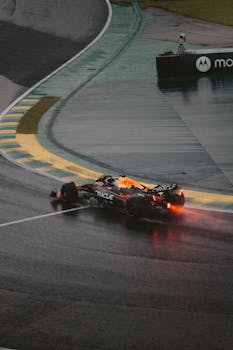
Blasting down a rain-soaked straight in a favorite digital supercar makes any track feel alive. Racing games have taken huge leaps by adding dynamic weather systems to the mix.
The weather isn’t just scenery here. It transforms each race, affects timing, and keeps longtime players rethinking strategies. Every corner becomes an evolving challenge when visibility and grip shift with the wind and rain.
To really feel the impact of unpredictable elements, dive into these insights and techniques for handling dynamic weather systems in racing games. Let’s unlock fresh performance across the finish line.
Predicting weather to gain a racing advantage
Knowing how dynamic weather systems unfold lap by lap helps serious racers plan moves and tire choices to stay ahead. Let’s see how prediction pays off in-game.
An observant player tracks changing skies, gusts, or even sudden sun glimpses—each signals adjustments. Expecting slick turns or fog means adapting right before rivals react.
Adapting to late-race weather shifts
The announcer warns, “Rain expected next lap.” A veteran eyes the sky—and fits wet tires before the drizzle slicks the surface, gaining crucial seconds over delayed competitors.
Feel tension shift as corner speed drops. Watch rivals slide while early-prepared racers carve through the field. Every lap becomes a real-time test of observation and quick decision-making.
A diligent driver copies this: “If I notice darkening clouds and wind noise, I pit now—don’t wait until it pours and the track turns icy.”
Monitoring subtle clues for real-time advantage
Check mirror for changing spray from tires. It grows heavier right before the grip vanishes, hinting at water pooling ahead.
Look for glimmering puddles, shifting shadows, or mist. Say, “The car feels floaty—let’s brake early.” Use analogies like listening to weather before leaving home to stress preparation.
This attention converts hesitation to confidence. Try narrating aloud, “I see wet streaks—feather the throttle now,” so intuition and reaction join forces with the game.
| Game Title | Weather Variety | Effect on Race | Player Tip |
|---|---|---|---|
| Forza Horizon 5 | Rain, storms, fog, seasonal | Roads flood, vision narrows | Shuffle tire choices at event start |
| F1 23 | Light/heavy rain, variable sun | Grip changes mid-session | Monitor forecast, prep pit stop |
| Gran Turismo 7 | Showers to full sun | Surface heats or cools quickly | Watch temperature gauge |
| Assetto Corsa Competizione | Dynamic clouds, evolving rain | Puddle formation matters | Practice on slippery corners |
| Dirt Rally 2.0 | Snow, sleet, rainstorms | Traction drops quickly | Ease through crests in low gear |
Customizing strategy for every weather swing
Every weather change in racing games demands specific moves from racers, from tuning vehicles to tweaking tactics over an entire event. Adaptation sets finishers apart.
Dynamic weather systems push players to retool not only car setup but lap-by-lap approach as surfaces transition from dry, grippy to slick, unpredictable conditions.
Fine-tuning vehicles as clouds gather
Start softening suspension before a dark sky—this gives more tire contact and stability when rain hits. Don’t harden setup if you spot cooling ambient temperatures.
Tweak aerodynamics mid-event, lowering top speed for better downforce if fog or mist lowers visibility. “Let’s trim wing for control—not speed,” sums up this tactical move.
- Swap to wet tires: Essential when temperature drops; dry compounds become slick, so change early for predictable handling.
- Lower tire pressures: In cold or rain, this heats the rubber, improving grip and reducing slippage around corners.
- Increase brake bias to rear: Reduces front wheel lockups on slippery surfaces, keeping steering responsive during braking zones.
- Shorten gear ratios: Weather shortens braking zones and lowers top speed, so tighter acceleration helps exit slower turns.
- Turn off aggressive assists: Traction and stability systems limit acceleration in rain—disable these if confident to maintain speed through skilled input.
Learning to tune for weather remains key. For instance, say “If clouds form, I’ll check my brake bias next pit”—lock in habits before rain falls.
Reading tracks and rival actions for split-second tweaks
Watch for the first driver sliding at a hairpin—this signals water pooling. Change to defensive lines at corners to counteract grip loss and frustration.
Listen to engine tone—if it sputters through puddles, lift off throttle for smoother power. Steer gently. Adapt to visible standing water, mirroring real racing habits where “slow-in, fast-out” is essential.
- Scan leaderboards: If fastest laps drop, conditions have worsened; ease back or pit for fresh rubber to stay ahead of the pack.
- Observe tire smoke: White wisps during braking mean cold tires; heat them with a gentle zigzag on straights for the next lap.
- Pinpoint dry lines: Sun warms patches quickly after storms; hug these areas for grip—don’t get drawn to visible puddles by habit.
- Adjust strategy to rivals: If the leader goes in for wet tires, mirror the move immediately to maintain parity, not just reactivity.
- Avoid late braking when wet: Change approach up to one turn before rain is expected, not just the instant it arrives.
Making these small, proactive changes each turn ensures you benefit from dynamic weather systems rather than struggle needlessly.
Tweaking visuals and settings for immersive realism
Dynamic weather systems feel more authentic when visuals and sound cues mirror real-life driving sensations. Small tweaks in settings dramatically boost experience.
Aim for maximum immersion: adjust camera angles, HUD clutter, and audio settings for better focus on shifts in environment and hazard spotting mid-race.
Testing graphics settings for weather clarity
Increase reflection detail for puddles; you’ll spot them sooner and avoid aquaplaning. Turn up shadow resolution to notice cloud coverage and track shading as forecasts change.
Play with brightness and HUD overlays. Lowering on-screen clutter lets you focus on glare and washed-out patches during bright-to-dark transitions common in dynamic weather systems.
This way, when rain or fog rolls in, your field of view remains clear—and you have more notice to react logically like a skilled driver.
Enhancing audio cues for early warning
Enable 3D or surround sound if possible. You’ll catch the hiss of water, slaps of tires in puddles, or the whir of wind as weather shifts. Each audio shift signals the next maneuver.
Reduce background music volume to favor natural car and environment noises. Sharpening ear to these cues lets you anticipate what dynamic weather systems throw at you.
Combining these settings steps with focused racing transforms unpredictability from panic to well-prepped opportunity—mirroring professional drivers’ habits in actual events.
Responding under pressure for consistent lap times
Dynamic weather systems push even the most experienced racers into uncomfortable scenarios. Adapting calmly under pressure is the fastest route to success.
A storm rolls in as you chase your best lap: heart rate rises, vision narrows. Now, your ability to implement practiced reactions separates your finish from a spinout.
Practicing composure routines mid-race
Mimic pros: When the car slides unexpectedly, breathe deep, loosen grip, and gradually counter-steer. Say aloud, “Slow hands return, full throttle if stable,” and feel restraint win out.
Visualize corners two turns ahead. Replay mental cues, like “Watch for spray on lap four—move wider there each time.” Keep mind clear to react to whatever dynamic weather systems deliver.
This stepwise approach lets you minimize time loss as nerves spike—building confidence for the next variable challenge.
Learning from mistakes in changing weather
Replay crash clips after wet laps. Watch not just the mistake, but when warning signs emerged: fluttering wipers, low sunlight glare, or hard braking sounds.
Commit the fix to memory—”Next drizzle, start braking earlier at hairpins.” Retrying corners under similar conditions locks in progress where frustration once set in.
Use these moments as rehearsals, not setbacks. Over multiple events, you’ll capitalize each time dynamic weather systems appear.
Leveraging community tools for faster weather mastery
Learning from other racers shortens the learning curve with dynamic weather systems. Communities constantly share real solutions, quirky hacks, and lap-by-lap breakdowns.
Connecting online expands your knowledge base beyond what a solo run offers. Your progress accelerates as you weave others’ insight into your own gameplay.
Integrating shared setups from top players
Download car setups from forums designed specifically for rain or rapidly changing dynamic weather systems. Notice how brake bias, tire pressure, and wing angles shift team-wide strategy.
Test them in a custom quick race, adjusting only one aspect at a time. Say, “I’ll start with their wet suspension and leave my gearing—see if that works for my style.”
Saving your own best adjustments, especially when weather quickly swaps sun for storms, helps you build a toolkit for future events.
Joining live conversations for instant advice
Use voice chat to ask, “Is the center line dry yet?” or “Has anyone tried intermediates on this circuit?” Listen for peers suggesting line changes or pit timing tweaks as conditions intensify.
Post-event, share screenshots of your HUD and telemetry during tricky sections. Someone replies, “Brake 30 meters earlier in drizzle!” Your next lap improves markedly.
Over time, collecting and refining these community tricks keeps you steps ahead—no matter how wild dynamic weather systems get in new releases.
Carrying lessons from the track into real life and beyond
What you learn chasing virtual trophies under stormy and unpredictable skies translates to broader skills—adaptability, foresight, and cool-headed risk management become second nature.
Dynamic weather systems teach decision-making under pressure you can apply everywhere, from planning real commutes to navigating uncertain events and teamwork scenarios in life.
Staying agile outside the game
A person who says, “I change plans fast when the traffic gets wild” mirrors the driver adjusting tactics minutes before rainfall sets in on a track—adapt, don’t wait.
Keep scanning surroundings, just as you do for puddles or sunlight shifting—notice details in the world and prepare before a problem occurs.
This mindset, rehearsed over dozens of digitally stormy laps, helps you step confidently into unknowns elsewhere, not just the racetrack.
Building resilience by embracing unpredictability
The more you encounter dynamic weather systems in games, the less intimidating unpredictable challenges appear. You develop calm in the face of swirling uncertainty, even outside racing.
Remember that each misstep on a slippery digital road is one fewer surprise in high-stakes real-world choices. Practice builds resilience, one variable turn after another.
Taking game-learned adaptability into work, school, or play gives you a new edge—one honed lap at a time.
Refining performance with every forecasted lap
The most adaptable racers thrive across sunny, foggy, and rain-soaked tracks. Dynamic weather systems enrich racing games by demanding real adjustment, readiness, and resourcefulness.
Every shifting lap calls racers to apply practical tuning, quick thinking, technical settings, and even lesson-sharing. These layers create excitement that lasts far beyond a single session.
Carry the best advice into competitive races or casual play. The next time clouds gather, you’ll greet the resulting dynamic weather systems with skill, not anxiety.


